Hair fibers are the most underrated tool in the hair-loss arsenal. They don't grow new hair — but they give you back the appearance of density in 30 seconds, which matters enormously while a long-term protocol like minoxidil or finasteride takes 6–12 months to produce real results. Used correctly, they're invisible in photographs and survive a normal day of wind, sweat, and movement. This guide compares the two products that actually deliver on that promise.
Affiliate disclosure: Some links on this page are affiliate links. We may earn a commission if you purchase through them at no extra cost to you. Our editorial picks are independent. Read our policy.
 1
1Toppik
Toppik Hair Building Fibers
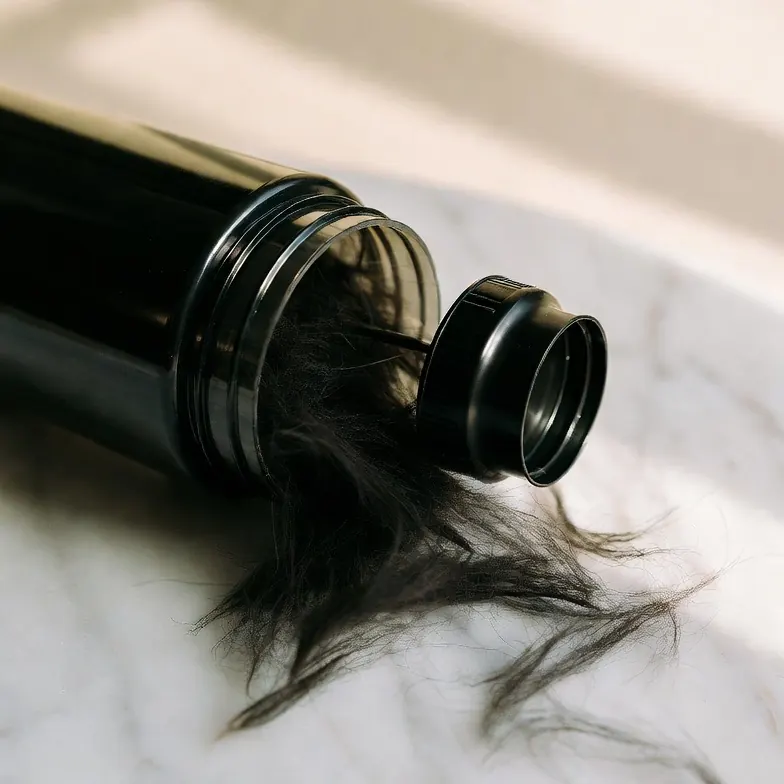
Toppik is the category-defining hair fiber product. Made from colored keratin protein, the fibers carry a slight electrostatic charge that bonds to existing hair shafts, instantly camouflaging thinning areas. Used by millions for everything from photos to weddings.
Pros
- Instant visual coverage — works in 30 seconds
- Available in 9 shades for color matching
- Survives wind and light rain
- Washes out cleanly with shampoo
Cons
- Cosmetic only — does not grow hair
- Can transfer to pillows or collars in hot weather
- Need a hold spray for best longevity
Who it's best for
Men who want immediate cosmetic improvement for events, photos, or daily confidence while their long-term protocol takes effect.
Ingredients, usage & evidence▾
Key ingredients
- Keratin micro-fibers: Electrostatically cling to existing hair to add density
- Ammonium Chloride: Helps fibers carry static charge
How to use
Shake bottle over dry, styled hair. Tap gently to release fibers onto thinning areas. Pat lightly to set. Use a fiber hold spray for maximum durability.
Scientific evidence
Fibers are a purely cosmetic intervention. No regrowth claims should be made — the entire effect is visual camouflage.
 2
2Caboki
Caboki Hair Building Fibers
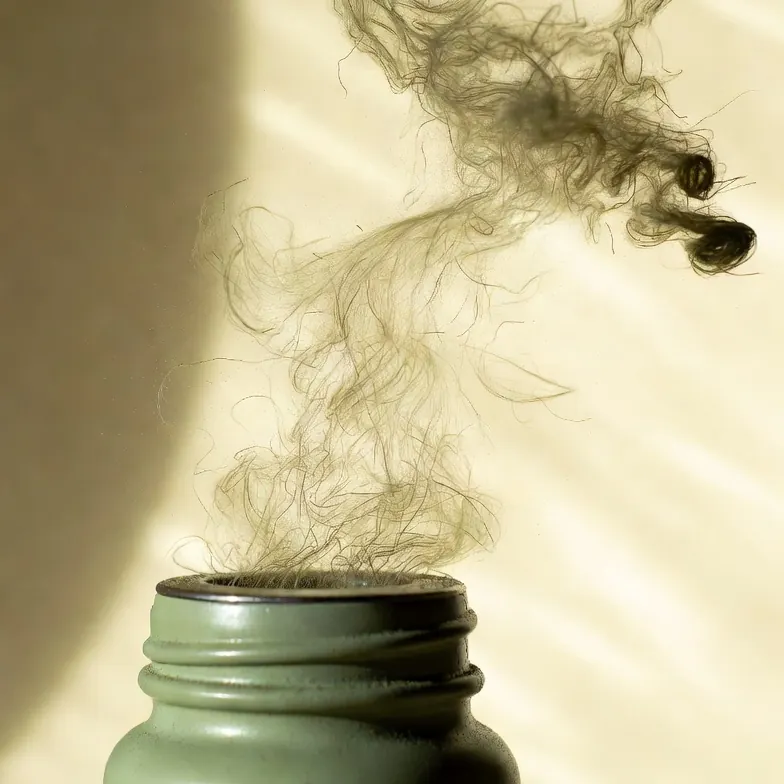
Caboki uses fibers derived from the gossypium plant — a vegan alternative to keratin-based products. The fibers cling well, and many users find the appearance slightly more matte and natural than competitors.
Pros
- Vegan, plant-based fibers
- Natural matte finish
- Strong static cling
- Affordable per gram
Cons
- Fewer color shades than Toppik
- Slightly less wind-resistant
Who it's best for
Men who want a plant-based alternative to keratin fibers.
Ingredients, usage & evidence▾
Key ingredients
- Gossypium Fibers: Natural plant-derived fibers that cling to existing hair
- Natural Mineral Colorants: Color matching
How to use
Apply to dry, styled hair. Sprinkle onto thinning areas and tap into place. Finish with hold spray.
Scientific evidence
Cosmetic camouflage only — no hair-growth claims.
Quick Comparison Table
At-a-glance: who each product is built for.
| Product | Best For | Price | Rating | |
|---|---|---|---|---|
Toppik Hair Building Fibers Toppik Best Overall | Men who want immediate cosmetic improvement for events, photos, or daily confidence while their long-term protocol takes effect. | $25 | 4.6 | Buy |
Caboki Hair Building Fibers Caboki Best Natural | Men who want a plant-based alternative to keratin fibers. | $22 | 4.4 | Buy |
What to look for
Fibers are cosmetic, not therapeutic
Hair fibers are colored microparticles that electrostatically cling to existing hair shafts, instantly making thinning areas look denser. They do not stimulate growth, block DHT, or affect your follicles in any way. They are pure visual camouflage. This is a feature, not a bug — they buy you confidence today while your real treatment works in the background.
Keratin vs plant-based
Toppik uses keratin protein fibers — the same protein your real hair is made of. Caboki uses fibers from the gossypium plant. Both cling reliably; the keratin fibers tend to have a slightly more reflective, hair-like finish, while plant fibers look slightly more matte. People with shiny hair often prefer Toppik; people with matte, drier hair often prefer Caboki.
Color matching is critical
Hair fibers only look natural if they match your current hair color closely. Most brands offer 7–9 shades. If your hair has multiple tones (common with greying), you can blend two shade tins. When in doubt, go one shade lighter than your darkest hair color — too-dark fibers stand out against the scalp.
A hold spray is non-negotiable for long days
Bare fibers will hold up to light wind and a normal commute. For full-day durability, weddings, or photo shoots, a fiber hold spray makes a substantial difference. Both Toppik and Caboki sell purpose-built sprays.
Frequently Asked Questions
The questions we get asked the most — answered straight.
Keep reading
All articles →Treatments
Strut Health Review: Compounded Hair Loss Formulas, Priced Out
Strut is the compounding-pharmacy tier: 5-in-1 topical finasteride, oral dutasteride from $39/mo, and $18/mo oral minoxidil. What it actually offers, what it costs, and who it fits.
Hair Loss Basics
Ozempic Hair Loss: Why GLP-1 Weight Loss Triggers Shedding
Hair loss showed up in the Wegovy and Zepbound trials at 3–6% — but the drug isn't attacking your follicles. What's actually happening, the recovery timeline, and what to do about it.
Comparisons
Hims vs Happy Head: Standard vs Custom Hair Loss Treatment
Two tiers, not two rivals: Hims sells cheap standardized generics; Happy Head sells compounded dutasteride and 8% minoxidil at 2–3x the price. Which tier you actually need.