Most 'hair growth' shampoos do nothing useful — they're built around marketing buzzwords like biotin, keratin, and 'follicle activators' with no real evidence behind them. A small handful actually deliver: shampoos containing 1% ketoconazole, caffeine, or copper peptides have published studies suggesting modest but real effects on hair density. These are the two shampoos that earn their shelf space in a serious hair loss regimen.
Affiliate disclosure: Some links on this page are affiliate links. We may earn a commission if you purchase through them at no extra cost to you. Our editorial picks are independent. Read our policy.
 1
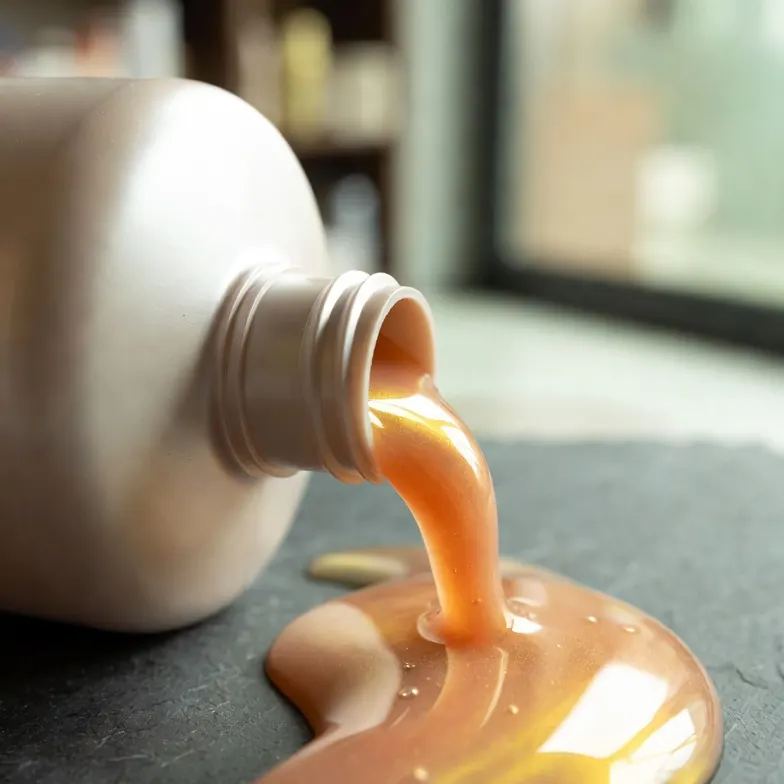
1Nizoral
Nizoral A-D Anti-Dandruff Shampoo (1% Ketoconazole)
Nizoral is the only over-the-counter shampoo with multiple peer-reviewed studies suggesting it may help with androgenetic alopecia. The mechanism appears to be a mild anti-androgen effect at the follicle plus inflammation control.
Pros
- Strong scientific evidence base
- Inexpensive — one bottle lasts months
- Also treats dandruff and seborrheic dermatitis
- Available without a prescription
Cons
- Can dry hair if used daily
- Distinctive medicinal scent
- Best used as a 2–3x weekly treatment, not a daily shampoo
Who it's best for
Anyone with an inflamed scalp, dandruff, or who wants to layer a science-backed shampoo into an existing regimen.
Ingredients, usage & evidence▾
Key ingredients
- Ketoconazole 1%: Antifungal with mild anti-androgen and anti-inflammatory activity
- Sodium Cocoyl Isethionate: Cleansing surfactant
How to use
Lather, leave on the scalp for 3–5 minutes, then rinse. Use 2–3 times per week. Follow with a moisturizing conditioner if hair feels dry.
Scientific evidence
A 1998 study in Dermatology compared 2% ketoconazole shampoo to 2% minoxidil and found comparable improvements in hair density and the anagen-to-telogen ratio. Subsequent studies have supported a modest direct effect on AGA in addition to scalp health benefits.
 2
2DS Laboratories
DS Laboratories Revita Hair Stimulating Shampoo
Revita stacks multiple scalp-active ingredients into a single shampoo designed for daily use. It's the kind of product you reach for when you want one bottle on the shower shelf to do real work.
Pros
- Stacks caffeine, ketoconazole, biotin, and copper peptides
- Sulfate-free and gentle enough for daily use
- Pleasant, modern scent
Cons
- Significantly more expensive than Nizoral
- Most actives have only modest individual evidence
Who it's best for
Men who want a premium one-bottle shampoo with a broad active stack.
Ingredients, usage & evidence▾
Key ingredients
- Caffeine: May counteract DHT-mediated follicle suppression in vitro
- Ketoconazole: Anti-inflammatory scalp support
- Copper Peptides: Follicle-supportive signaling peptide
- Biotin: Cofactor in keratin production
How to use
Use daily. Apply to wet hair, massage into the scalp, and leave on for 2 minutes before rinsing.
Scientific evidence
Individual ingredients have varying levels of support. Caffeine's follicle-protective effects are largely demonstrated in vitro. The combined formula has brand-published user studies.
 3
3Pura D'or
Pura D'or Original Gold Label Anti-Thinning Shampoo
Pura D'or Gold Label is one of Amazon's longest-running bestsellers in the thinning-hair category. It blends 17+ natural ingredients positioned around scalp health and gentle DHT-blocking botanicals — saw palmetto, nettle, pumpkin seed.
Pros
- Sulfate-free and gentle for daily use
- Strong customer review history on Amazon
- No prescription required
- Pleasant scent
Cons
- Botanical actives have weaker evidence than ketoconazole
- Won't substitute for minoxidil if AGA is progressing
Who it's best for
Men in early-stage thinning who want a clean-label daily shampoo as a foundation.
Ingredients, usage & evidence▾
Key ingredients
- Saw Palmetto: Plant-based 5-alpha-reductase inhibitor
- Biotin: Keratin production cofactor
- Nettle Extract: Traditional scalp tonic
- Argan Oil: Conditioning and barrier support
How to use
Lather and leave on the scalp for 3–5 minutes, then rinse. Use 4–7 times per week.
Scientific evidence
Individual botanicals like saw palmetto have small RCTs supporting modest 5-AR inhibition. The shampoo formulation itself relies on brand-published consumer studies rather than independent trials.
Quick Comparison Table
At-a-glance: who each product is built for.
| Product | Best For | Price | Rating | |
|---|---|---|---|---|
Nizoral A-D Anti-Dandruff Shampoo (1% Ketoconazole) Nizoral Best Science-Backed | Anyone with an inflamed scalp, dandruff, or who wants to layer a science-backed shampoo into an existing regimen. | $15 | 4.6 | Buy |
DS Laboratories Revita Hair Stimulating Shampoo DS Laboratories Editor's Choice | Men who want a premium one-bottle shampoo with a broad active stack. | $38 | 4.5 | Buy |
Pura D'or Original Gold Label Anti-Thinning Shampoo Pura D'or Best Natural | Men in early-stage thinning who want a clean-label daily shampoo as a foundation. | $30 | 4.3 | Buy |
What to look for
Ketoconazole is the heavyweight
Ketoconazole 1% (over-the-counter) and 2% (prescription) are the only shampoo actives with published RCTs showing direct effects on androgenetic alopecia. The mechanism appears to be a combination of mild anti-androgen activity at the follicle and inflammation control. Use 2–3 times per week, leave on for 3–5 minutes.
Stacking matters
Premium 'daily use' shampoos like Revita stack multiple actives — caffeine, copper peptides, biotin, ketoconazole — because the individual evidence for each is modest. The combinations make sense, though the head-to-head data vs. plain ketoconazole shampoo is limited.
What to avoid
Skip shampoos whose hero ingredients are biotin, keratin, collagen, or vague 'plant complexes.' Topical biotin has essentially zero evidence behind it. Topical keratin makes hair appear thicker cosmetically but doesn't affect follicle health. Anything advertised as 'follicle-cleansing' is marketing fiction.
Pair, don't replace
A shampoo alone — even the right one — won't reverse meaningful hair loss. These products are adjuncts to a real protocol that includes a topical or oral treatment, not standalone solutions.
Frequently Asked Questions
The questions we get asked the most — answered straight.
Keep reading
All articles →Treatments
Strut Health Review: Compounded Hair Loss Formulas, Priced Out
Strut is the compounding-pharmacy tier: 5-in-1 topical finasteride, oral dutasteride from $39/mo, and $18/mo oral minoxidil. What it actually offers, what it costs, and who it fits.
Hair Loss Basics
Ozempic Hair Loss: Why GLP-1 Weight Loss Triggers Shedding
Hair loss showed up in the Wegovy and Zepbound trials at 3–6% — but the drug isn't attacking your follicles. What's actually happening, the recovery timeline, and what to do about it.
Comparisons
Hims vs Happy Head: Standard vs Custom Hair Loss Treatment
Two tiers, not two rivals: Hims sells cheap standardized generics; Happy Head sells compounded dutasteride and 8% minoxidil at 2–3x the price. Which tier you actually need.