Low-level laser therapy (LLLT) for hair loss has the unusual distinction of being well-supported in randomized controlled trials, FDA-cleared, and yet widely dismissed in online communities. The dismissal is mostly a hangover from the early 2010s, when underpowered consumer devices created a wave of disappointed users. The current generation of laser caps — particularly devices with 200+ medical-grade diodes — produce measurable results in the published literature. This guide compares the two laser caps actually worth buying in 2026.
Affiliate disclosure: Some links on this page are affiliate links. We may earn a commission if you purchase through them at no extra cost to you. Our editorial picks are independent. Read our policy.
 1
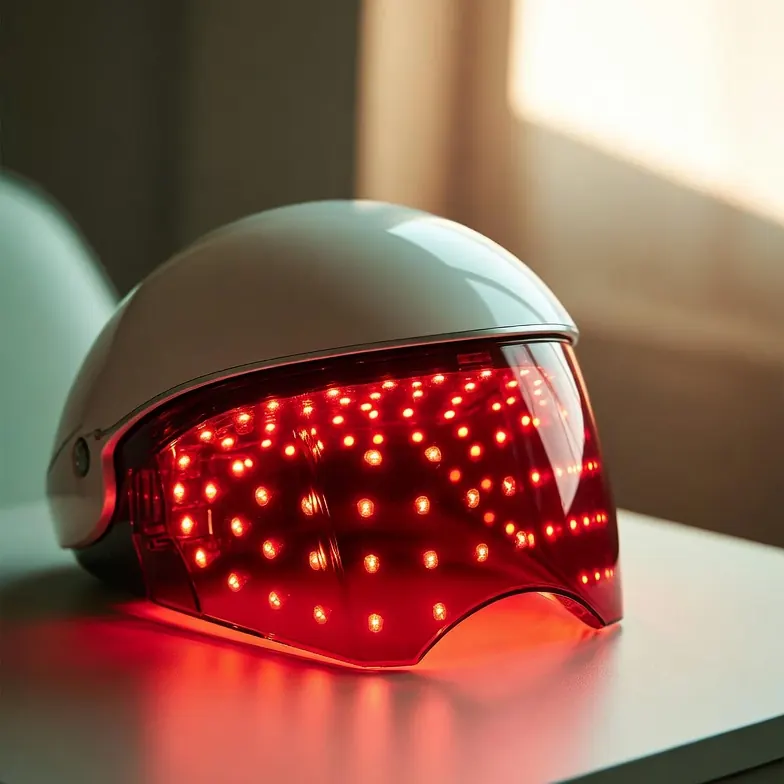
1iRestore
iRestore Essential Laser Hair Growth System
The iRestore Essential is the most affordable FDA-cleared laser device in its category. With 51 medical-grade lasers, it covers the scalp uniformly and runs on a simple 25-minute every-other-day protocol.
Pros
- FDA-cleared for hair growth in men and women
- Hands-free helmet form factor
- 1-year money-back guarantee
- Significantly cheaper than premium competitors
Cons
- Lower laser count than premium devices
- Long-term consistency required
- Bulky to travel with
Who it's best for
Men who want an FDA-cleared LLLT device without spending four figures.
Ingredients, usage & evidence▾
Key ingredients
- 650nm medical-grade lasers: Low-level laser therapy targeting follicle mitochondria
How to use
Wear for 25 minutes every other day on clean, dry hair. Most users see initial response between 16 and 24 weeks.
Scientific evidence
Low-level laser therapy at 650nm is FDA-cleared for androgenetic alopecia based on multiple randomized controlled trials. A 2014 study in Lasers in Surgery and Medicine showed a 35% increase in hair growth in men using LLLT vs. sham.
 2
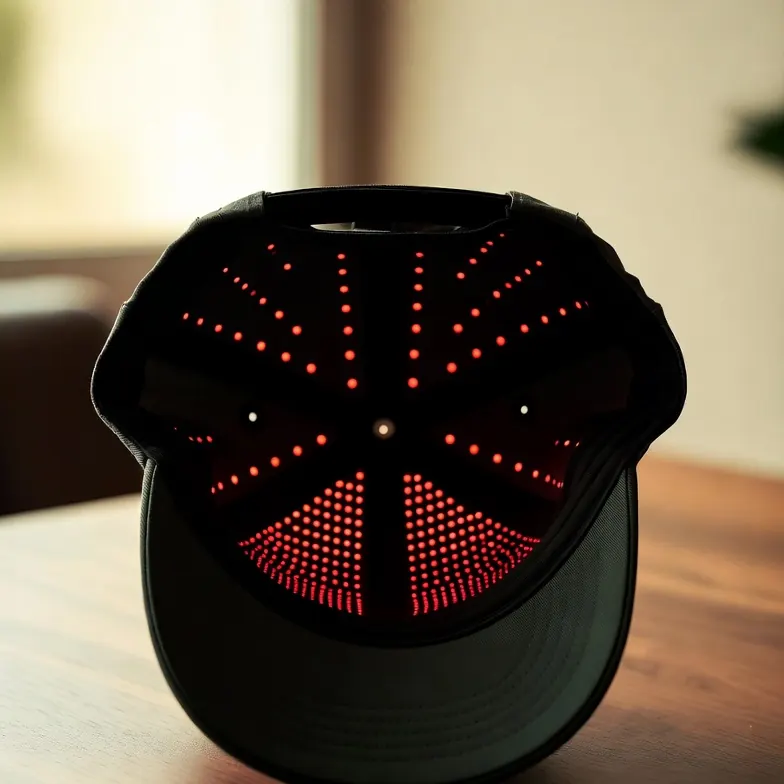
2Capillus
Capillus Pro 272 Laser Cap
The Capillus Pro 272 is what dermatologists tend to recommend when patients want the most powerful at-home LLLT device available. The 272 medical-grade diodes deliver dense, uniform coverage in a 6-minute daily protocol.
Pros
- Highest diode count in its class (272)
- Just 6 minutes per session, daily
- FDA-cleared
- Looks like a standard ball cap — wear it anywhere
Cons
- Significant price tag
- Battery life shortens after a few years
Who it's best for
Men who want the most powerful at-home LLLT device and view it as a long-term investment.
Ingredients, usage & evidence▾
Key ingredients
- 650nm laser diodes: Photobiomodulation of follicle mitochondria
How to use
Wear 6 minutes daily under a normal cap or directly on the head. Best paired with topical minoxidil for additive effects.
Scientific evidence
LLLT at 650nm has Level I evidence from multiple RCTs for treating AGA. Higher diode counts increase the irradiance reaching the scalp.
 3
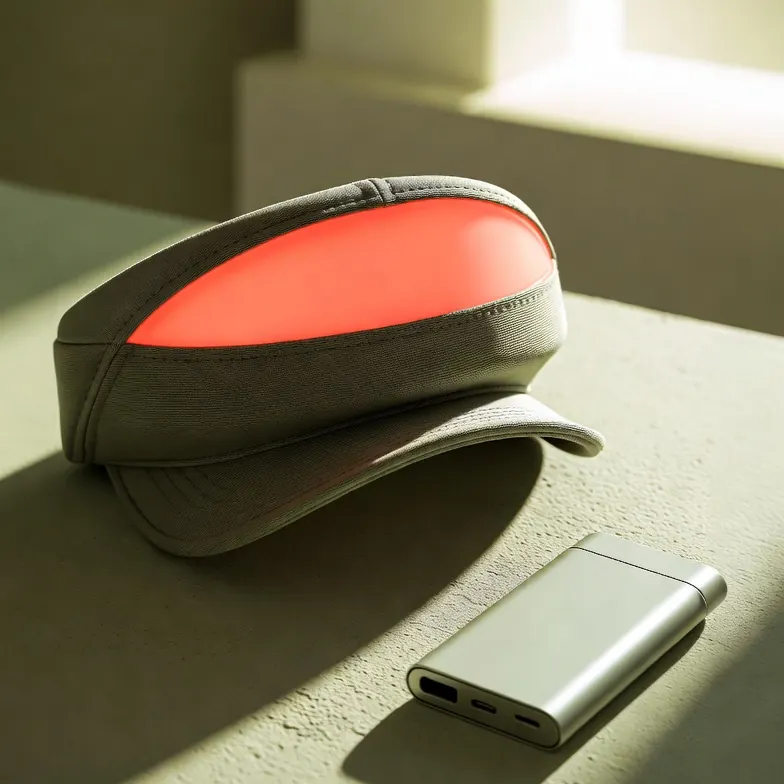
3Kiierr
Kiierr 272 Premier Laser Cap
Kiierr packs 272 medical-grade laser diodes into a portable cap form-factor at roughly half the price of Capillus Pro. The 7-month money-back guarantee is the longest in the category.
Pros
- 272 diodes at a mid-range price
- FDA-cleared
- 7-month money-back guarantee
- Portable cap form factor
Cons
- Brand recognition lower than Capillus or iRestore
- Battery pack lives on a belt clip — minor inconvenience
Who it's best for
Men who want premium diode count without the Capillus markup.
Ingredients, usage & evidence▾
Key ingredients
- 650nm laser diodes: Stimulates cellular energy production in follicle cells
How to use
Wear 30 minutes every other day. Best results pair with topical minoxidil.
Scientific evidence
LLLT at 650nm has Level I evidence from multiple RCTs. The Kiierr device itself has brand-funded clinical data showing comparable results to other FDA-cleared caps.
 4
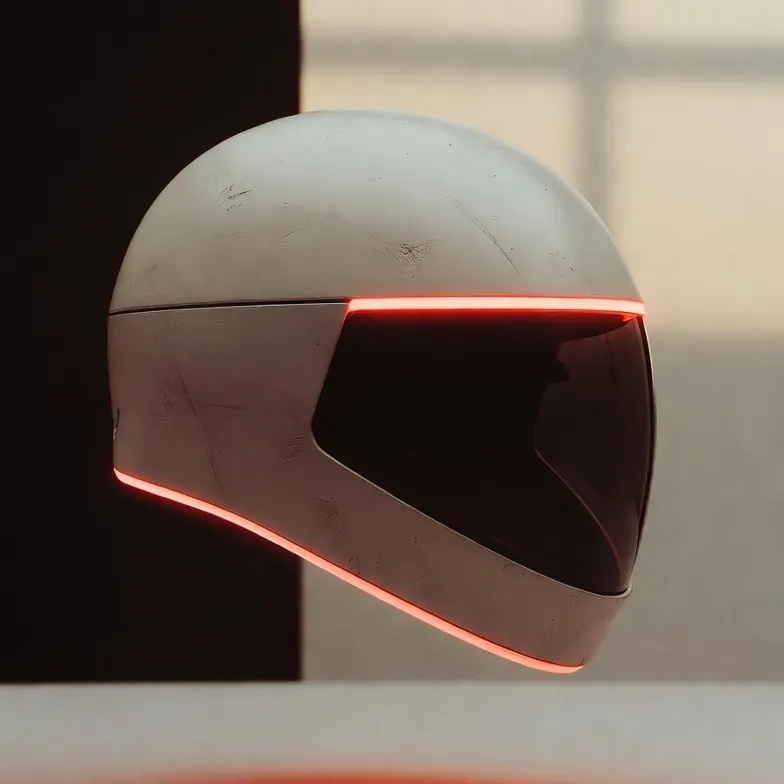
4Theradome
Theradome PRO LH80
Theradome trades total diode count for higher per-diode power output. Built by a former NASA scientist, it argues — with some clinical support — that energy delivered to the scalp matters more than raw diode count.
Pros
- Cordless, fully wearable design
- Higher per-diode power output than most competitors
- FDA-cleared
- Founded on peer-reviewed photobiology research
Cons
- Fewer total diodes than 272-class devices
- Helmet shape is bulkier than a cap
Who it's best for
Buyers who want a research-driven device and don't mind the helmet form factor.
Ingredients, usage & evidence▾
Key ingredients
- 678nm laser diodes: Higher-wavelength photobiomodulation
How to use
20-minute sessions twice per week.
Scientific evidence
The Theradome platform has been used in multiple published studies on LLLT for AGA, showing density improvements at 26 weeks.
Quick Comparison Table
At-a-glance: who each product is built for.
| Product | Best For | Price | Rating | |
|---|---|---|---|---|
iRestore Essential Laser Hair Growth System iRestore Best Budget | Men who want an FDA-cleared LLLT device without spending four figures. | $695 | 4.4 | Buy |
Capillus Pro 272 Laser Cap Capillus Best Premium | Men who want the most powerful at-home LLLT device and view it as a long-term investment. | $2,799 | 4.7 | Buy |
Kiierr 272 Premier Laser Cap Kiierr Editor's Choice | Men who want premium diode count without the Capillus markup. | $1,499 | 4.6 | Buy |
Theradome PRO LH80 Theradome Best Science-Backed | Buyers who want a research-driven device and don't mind the helmet form factor. | $895 | 4.5 | Buy |
What to look for
Diode count is the main spec
More medical-grade laser diodes means more total irradiance reaching the scalp. Entry-level caps have around 50 diodes; mid-range options have 80–150; flagship devices like the Capillus Pro 272 have 200+. Higher diode counts also mean shorter daily session times.
FDA clearance matters
The FDA-cleared label means the device has demonstrated safety and modest efficacy in clinical studies. Several cheaper Amazon caps use similar-looking hardware but skip the clearance process and use lower-quality diodes. The clinical evidence is for the cleared devices.
Wavelength: stick to 650 nm
Most clinical studies on LLLT for hair loss use 650 nm red light. Some devices add 808 nm infrared diodes; the marginal benefit isn't well established. Avoid caps that use only LEDs (rather than laser diodes) — the irradiance per unit is lower and the evidence base smaller.
Time commitment
Most caps run 6–30 minute sessions, daily or every other day. Premium devices have higher diode density that lets sessions be shorter (the Capillus Pro is 6 minutes daily). Realistic results require 16–24 weeks of consistent use.
Stack with topicals
LLLT works through a different mechanism than minoxidil (photobiomodulation vs. vasodilation). Combination protocols consistently outperform either alone. Most dermatologists who recommend laser caps recommend them in addition to, not instead of, minoxidil.
Frequently Asked Questions
The questions we get asked the most — answered straight.
Keep reading
All articles →Treatments
Strut Health Review: Compounded Hair Loss Formulas, Priced Out
Strut is the compounding-pharmacy tier: 5-in-1 topical finasteride, oral dutasteride from $39/mo, and $18/mo oral minoxidil. What it actually offers, what it costs, and who it fits.
Hair Loss Basics
Ozempic Hair Loss: Why GLP-1 Weight Loss Triggers Shedding
Hair loss showed up in the Wegovy and Zepbound trials at 3–6% — but the drug isn't attacking your follicles. What's actually happening, the recovery timeline, and what to do about it.
Comparisons
Hims vs Happy Head: Standard vs Custom Hair Loss Treatment
Two tiers, not two rivals: Hims sells cheap standardized generics; Happy Head sells compounded dutasteride and 8% minoxidil at 2–3x the price. Which tier you actually need.