The hair loss treatments that actually work, minus the hype.
Independent, evidence-ranked guides to finasteride, dutasteride, minoxidil, and the telehealth services that prescribe them. We compare real renewal prices — not intro offers — check every claim against the published research, and never pretend a miracle product exists.
Where are you on your hair journey?
Pick the option that best matches what you're seeing in the mirror. We'll point you at the most appropriate starting protocol.
Find what fits your routine.
Every category is reviewed against the latest peer-reviewed literature and tested for real-world usability.
Telehealth & Prescriptions
Hims, Keeps, Roman and Happy Head — compared on real renewal prices.
ExploreTopical Finasteride
DHT blocking without the systemic exposure of the pill.
ExploreDutasteride Online
The stronger 5-AR inhibitor and the telehealth services that offer it.
ExploreMinoxidil
The FDA-approved gold standard for hair regrowth.
ExploreLaser Caps
FDA-cleared LLLT devices for at-home use.
ExploreSupplements
Nutritional support and natural DHT modulation.
ExploreGrowth Shampoos
Ketoconazole and caffeine-based scalp treatments.
ExploreDerma Rollers
Microneedling to amplify topical absorption.
ExploreRedensyl Serums
Drug-free peptide complexes for early-stage thinning.
ExploreThe shortlist.
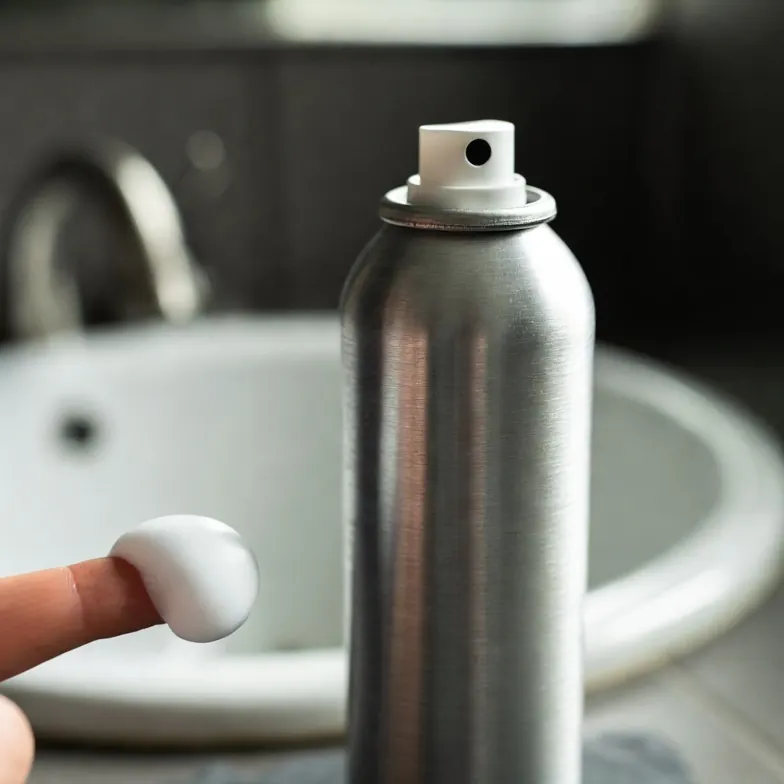
Rogaine Men's 5% Minoxidil Foam
The original FDA-approved minoxidil foam — no propylene glycol, no drip.
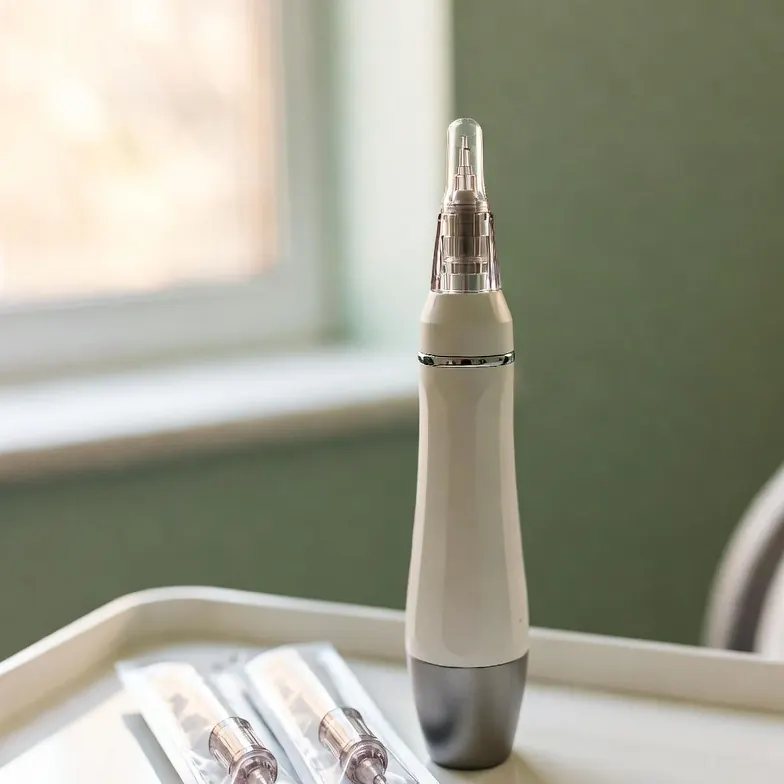
Dr. Pen A6 Ultima Microneedling Device
A motorized microneedling pen with adjustable depth — far more uniform than a roller.
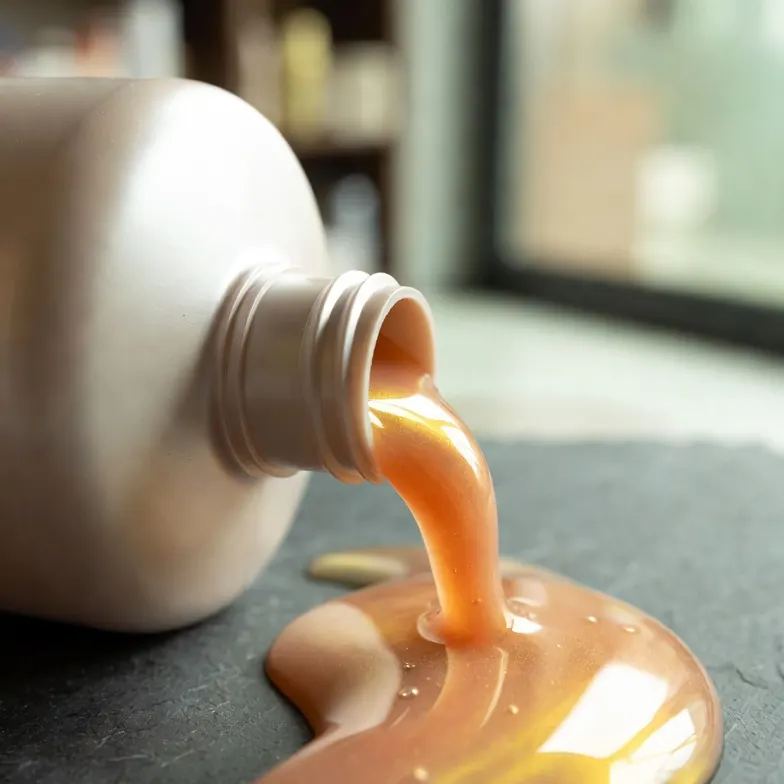
Nizoral A-D Anti-Dandruff Shampoo (1% Ketoconazole)
A 1% ketoconazole shampoo with the strongest evidence base outside the FDA-approved drugs.
Every recommendation on this site is checked against peer-reviewed dermatology literature, and we cite our sources in each article. We don't run before-and-after photo carousels, we don't accept payment for rankings, and affiliate commissions never change a verdict.
Read our full methodologyWhy men lose hair.
Effective treatment starts with understanding the mechanism. Roughly 80% of men experience androgenetic alopecia by age 80 — but it's not the only cause of hair loss, and treatments differ accordingly.
Read the full guideAndrogenetic alopecia
Genetic sensitivity to DHT, the dominant cause in men.
Telogen effluvium
Diffuse shedding triggered by stress, illness, or weight loss.
Nutritional deficiencies
Low ferritin, vitamin D, or zinc can drive shedding.
Thyroid dysfunction
Both hypo- and hyperthyroidism can cause hair changes.
Scalp inflammation
Seborrheic dermatitis worsens follicle environment.
Mechanical / traction
Tight hairstyles and certain hair systems can damage follicles.
What actually works.
A clean ranking of interventions by the strength of their evidence base, not their marketing budget.
What 12 months on a real protocol looks like.
We don't run before-and-after photo carousels — they're easy to fake. Instead, here's what the peer-reviewed studies show you can realistically expect on a science-based protocol.
Source: pooled outcomes from minoxidil + finasteride RCTs, Tosti et al. and Olsen et al.
Latest research & guides.
Treatments
Strut Health Review: Compounded Hair Loss Formulas, Priced Out
Strut is the compounding-pharmacy tier: 5-in-1 topical finasteride, oral dutasteride from $39/mo, and $18/mo oral minoxidil. What it actually offers, what it costs, and who it fits.
Hair Loss Basics
Ozempic Hair Loss: Why GLP-1 Weight Loss Triggers Shedding
Hair loss showed up in the Wegovy and Zepbound trials at 3–6% — but the drug isn't attacking your follicles. What's actually happening, the recovery timeline, and what to do about it.
Comparisons
Hims vs Happy Head: Standard vs Custom Hair Loss Treatment
Two tiers, not two rivals: Hims sells cheap standardized generics; Happy Head sells compounded dutasteride and 8% minoxidil at 2–3x the price. Which tier you actually need.

Treatments
The Cheapest Way to Get Finasteride (Full Price Ladder)
The same generic pill runs under $10/month with a pharmacy coupon, $20–35 via telehealth, and far more if you buy wrong. The full price ladder and the corners not worth cutting.
Comparisons
Keeps vs Roman: Which Hair Loss Service Wins?
Same drugs, different platforms: Keeps is the hair-loss specialist, Roman the polished generalist with flat pricing. Where each actually wins, and what neither offers.
Comparisons
Oral vs Topical Minoxidil: Which Should You Use?
Topical is the proven OTC default — unless your scalp can't activate it. Low-dose oral trades the enzyme lottery and twice-daily ritual for systemic exposure. The decision framework.
Frequently Asked Questions
The questions we get asked the most — answered straight.
Affiliate disclosure: Some links on this page are affiliate links. We may earn a commission if you purchase through them at no extra cost to you. Our editorial picks are independent. Read our policy.