Microneedling won't regrow a hairline on its own, but as an add-on to minoxidil it has solid evidence for improving density — and realistic before-and-after results show up over 3 to 6 months of consistent use. The key word is consistent: a single session does nothing, and the most dramatic photos online almost always involve microneedling combined with a topical treatment, not microneedling alone.
How microneedling helps hair
Microneedling uses fine needles to create controlled micro-injuries in the scalp. This triggers the body's wound-healing response — releasing growth factors, stimulating collagen, and increasing blood flow to the follicles.
Just as importantly, the micro-channels temporarily improve how well topical treatments absorb. This is why it's most effective when paired with minoxidil rather than used by itself.
What the evidence shows
The landmark 2013 trial compared minoxidil alone against minoxidil plus weekly microneedling. The combination group saw significantly greater hair count gains over 12 weeks. Several follow-up studies have echoed the pattern: microneedling is a worthwhile multiplier for an existing topical routine.
A realistic before-and-after timeline
- Weeks 1–4: no visible change; mild redness for a day after sessions
- Months 2–3: reduced shedding and early 'peach fuzz' regrowth in thinning areas
- Months 3–4: finer hairs begin thickening; density looks subtly improved in photos
- Months 5–6: the clearest before-and-after window — better coverage on the crown
- Beyond 6 months: gradual, maintained gains with continued use
How to do it properly
Technique and consistency determine whether you get results or just irritate your scalp. Most evidence points to a depth of 1.0–1.5 mm, used about once a week, with sessions spaced to let the scalp recover.
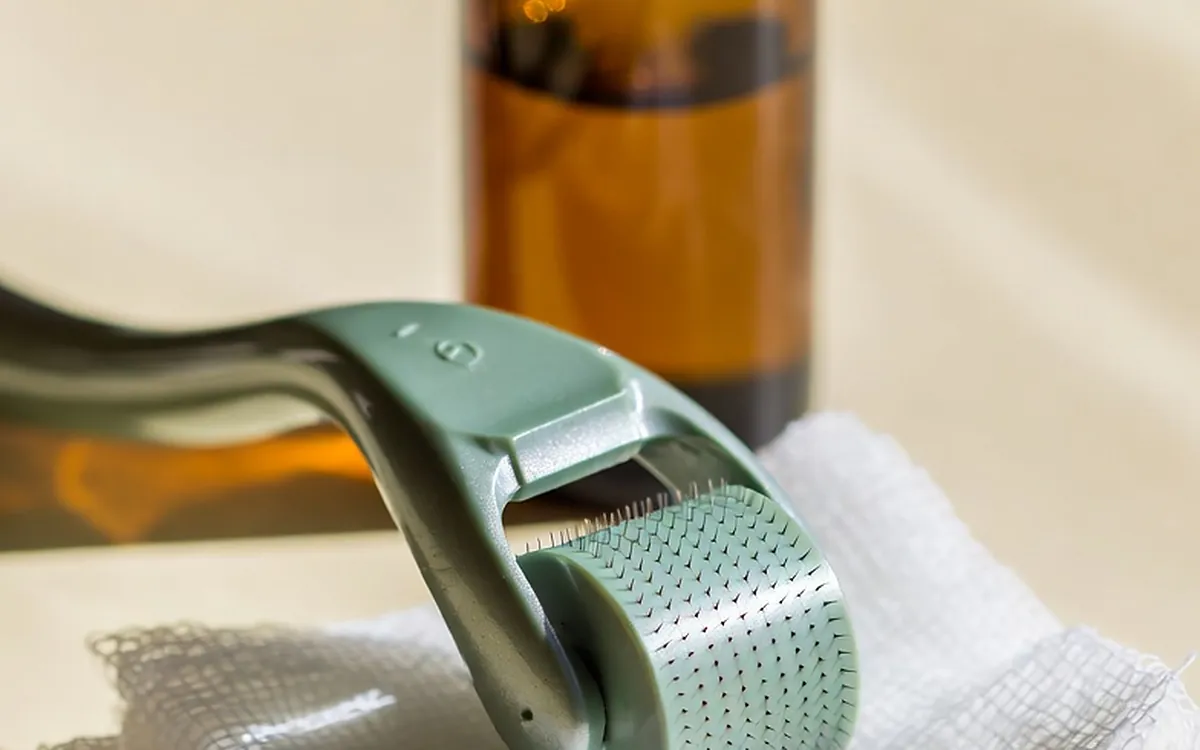
- Use 1.0–1.5 mm depth; a motorized pen gives cleaner penetration than a manual roller
- Once weekly is the sweet spot — more frequent isn't better and slows healing
- Disinfect the device before and after every session to avoid infection
- Apply minoxidil after the scalp has calmed (many wait 24 hours), not onto fresh micro-wounds
Need a device to start?
See our tested picks for derma rollers and microneedling pens.
Setting expectations
The honest before-and-after for microneedling is "noticeably better density and coverage in thinning areas," not "a restored juvenile hairline." It excels at making existing follicles healthier and boosting the treatment you pair it with.
If your photos at 6 months show fuller coverage on the crown and less scalp showing through, that's a successful result — and a strong reason to keep going.
Affiliate disclosure: Some links on this page are affiliate links. We may earn a commission if you purchase through them at no extra cost to you. Our editorial picks are independent. Read our policy.
Frequently asked questions
Frequently Asked Questions
The questions we get asked the most — answered straight.