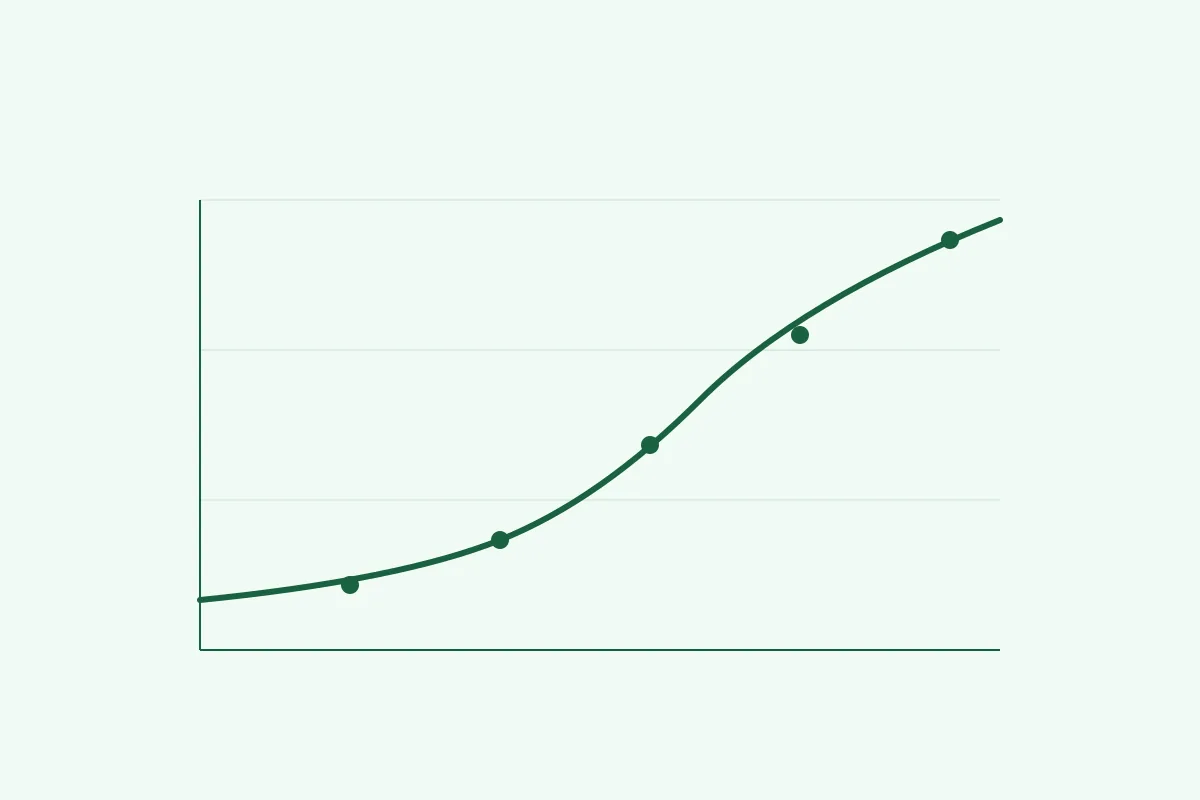
A hair transplant is only as good as the post-op year that follows it. Most graft survival happens (or doesn't) in the first 14 days. Most density results are determined in the first 12 months. Clinics generally provide aftercare instructions, but the level of detail varies enormously, and patients often discover the gaps the hard way.
Days 0–3: the critical window
- Sleep elevated at 45 degrees to minimize swelling
- Do not touch, scratch, or rub the recipient area under any circumstances
- Mist the grafts with saline spray every 1–2 hours as instructed
- Avoid bending forward at the waist (increases facial swelling)
- No alcohol, no NSAIDs (they thin blood and can dislodge grafts)
Days 4–14: scab management
By day 4–5 you can typically begin very gentle washing with the prescribed shampoo. Lather in your hands first, then dab onto the recipient area without rubbing. Rinse with cool water poured over the head. Scabs will begin loosening around day 7–10 and should fall off naturally — do not pick them. Picking scabs early can dislodge grafts.
Weeks 2–4: the shedding phase
Most transplanted hairs shed between weeks 2 and 6. This is normal and expected — the follicles remain in place under the skin, and they're entering a resting phase before producing new growth. Patients often panic during this period. Do not panic. The grafts are still there. New growth begins around month 3.
Months 3–6: emergence
New hairs begin emerging slowly. Early growth is often thin, wispy, and uneven — this is normal. The hair shafts thicken progressively over the following months. Do not judge the result before month 9 at the earliest.
Months 6–12: maturation
Density builds steadily. By month 9, most patients have a clear sense of the final result; by month 12, the result is essentially complete. Some additional minor improvement continues through month 18 in some cases.
What to keep doing for the rest of your life
- Continue finasteride and topical minoxidil — protecting your native non-transplanted hair is essential
- Avoid aggressive scalp scrubbing or harsh shampoos
- Protect from sun (the recipient area is more UV-sensitive for several months)
- Continue annual photos to monitor for AGA progression in surrounding native hair
- Avoid scuba diving and high-altitude activities for the first 30 days post-op
When to contact your surgeon urgently
- Severe asymmetric swelling on one side of the face after day 5
- Pus, foul-smelling discharge, or expanding redness
- Fever above 101°F
- Significant pain not controlled by recommended medication
- Any large area of grafts that appears to have lifted
Affiliate disclosure: Some links on this page are affiliate links. We may earn a commission if you purchase through them at no extra cost to you. Our editorial picks are independent. Read our policy.
Frequently asked questions
Frequently Asked Questions
The questions we get asked the most — answered straight.