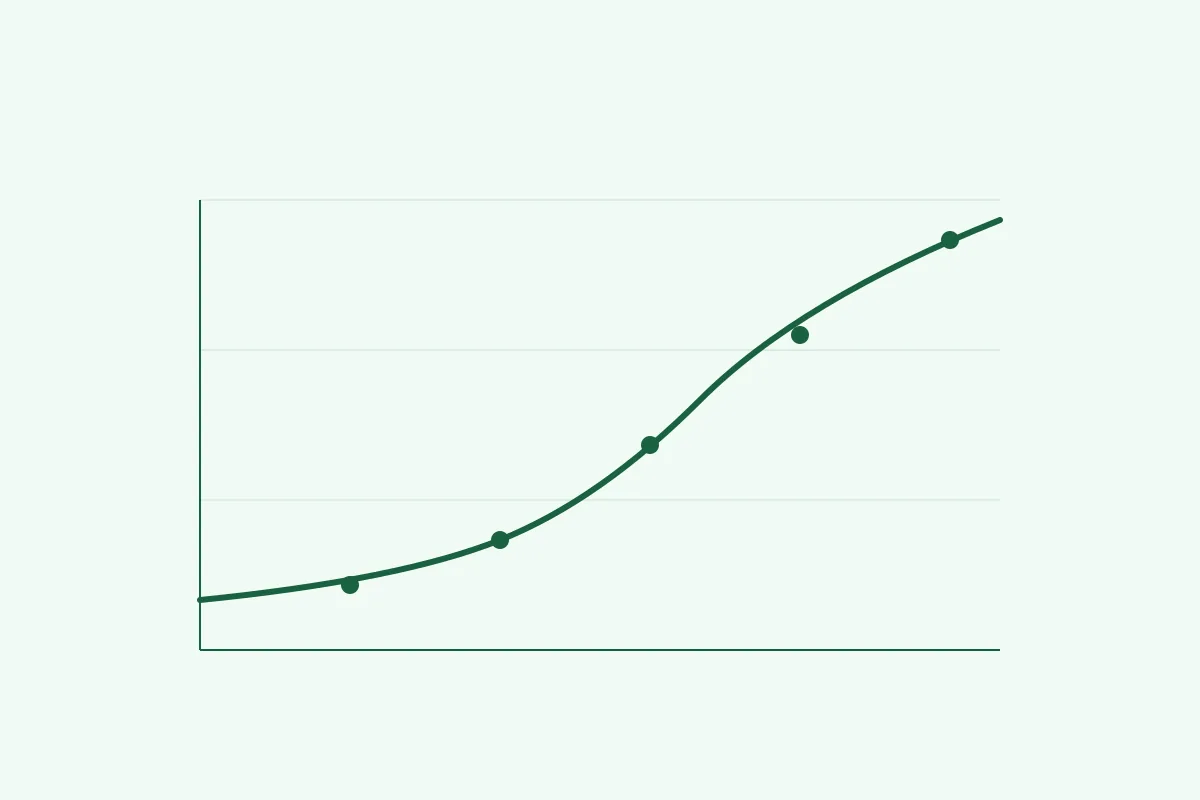
Roughly 25% of men with androgenetic alopecia begin losing hair before age 21. Early-onset AGA tends to be both more aggressive and more responsive to treatment than late-onset hair loss — which makes the window between noticing it and acting on it disproportionately important.
How to know it's actually AGA and not something else
Several conditions mimic male pattern baldness in young men. Telogen effluvium (stress-induced shedding) is reversible and diffuse. Traction alopecia (from tight hairstyles) is patchy. Alopecia areata is round, well-defined bald patches. Scarring alopecias have associated inflammation or pain. True AGA in your 20s looks like progressive recession at the temples, thinning at the crown, or both — slow, steady, and symmetric.
If your loss pattern is unusual, get a dermatologist evaluation before assuming AGA. Treating the wrong condition wastes time and money.
Why early action matters so much more in your 20s
Hair loss treatments work on follicles that are still cycling. Once a follicle has been miniaturized to dormancy for several years, it usually cannot be reactivated. Every year of untreated AGA narrows the pool of viable follicles you have to work with. Acting at age 24 with thinning hair will produce a far better long-term outcome than acting at age 34 with significant recession.
There's a corollary worth understanding: men who start treatment in their 20s typically need to continue it for decades. This is a long-term commitment, not a 6-month protocol. If that's not psychologically or financially feasible, that's worth knowing before starting.
The optimal early-20s protocol
- Oral finasteride 1mg daily (or topical finasteride if side effect risk is a concern)
- Topical minoxidil 5% twice daily (foam if you have a sensitive scalp)
- Microneedling once weekly at 1.0–1.5mm depth
- Ketoconazole shampoo 2–3x weekly
- Baseline blood work: ferritin, vitamin D, TSH, free testosterone
- Standardized photos every 90 days under the same lighting
The conversations to have with yourself before starting
Finasteride works extremely well and is tolerated by most users — but it isn't free of trade-offs. Read the side effect literature, including Post-Finasteride Syndrome, before deciding whether oral or topical finasteride is right for you. If you have hesitations about systemic DHT suppression, topical finasteride and minoxidil-only protocols are reasonable starting points.
Also: hair loss is psychologically heavy in your 20s in a way that catches a lot of men off guard. The combination of identity disruption and uncertainty about whether treatment will work can be hard. Most men benefit from treating this as a real life event and finding someone (therapist, partner, close friend) to talk through it with — not just as a private cosmetic concern.
What to avoid
- Generic biotin supplementation without a measured deficiency
- Aggressive haircuts that draw attention to thinning areas
- Online 'natural cures' priced like premium products
- Sketchy compounding pharmacies offering super-strength minoxidil from overseas
- Comparing yourself to before-and-after photos that don't disclose the full protocol
Affiliate disclosure: Some links on this page are affiliate links. We may earn a commission if you purchase through them at no extra cost to you. Our editorial picks are independent. Read our policy.
Frequently asked questions
Frequently Asked Questions
The questions we get asked the most — answered straight.